Supporting Maternal Mental Health in Texas: A Conversation with Postpartum Support International
A Q&A with PSI
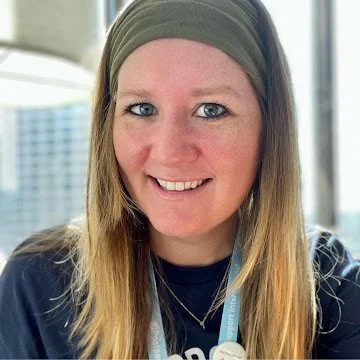
with Samantha Reaves, MA, PMH-C
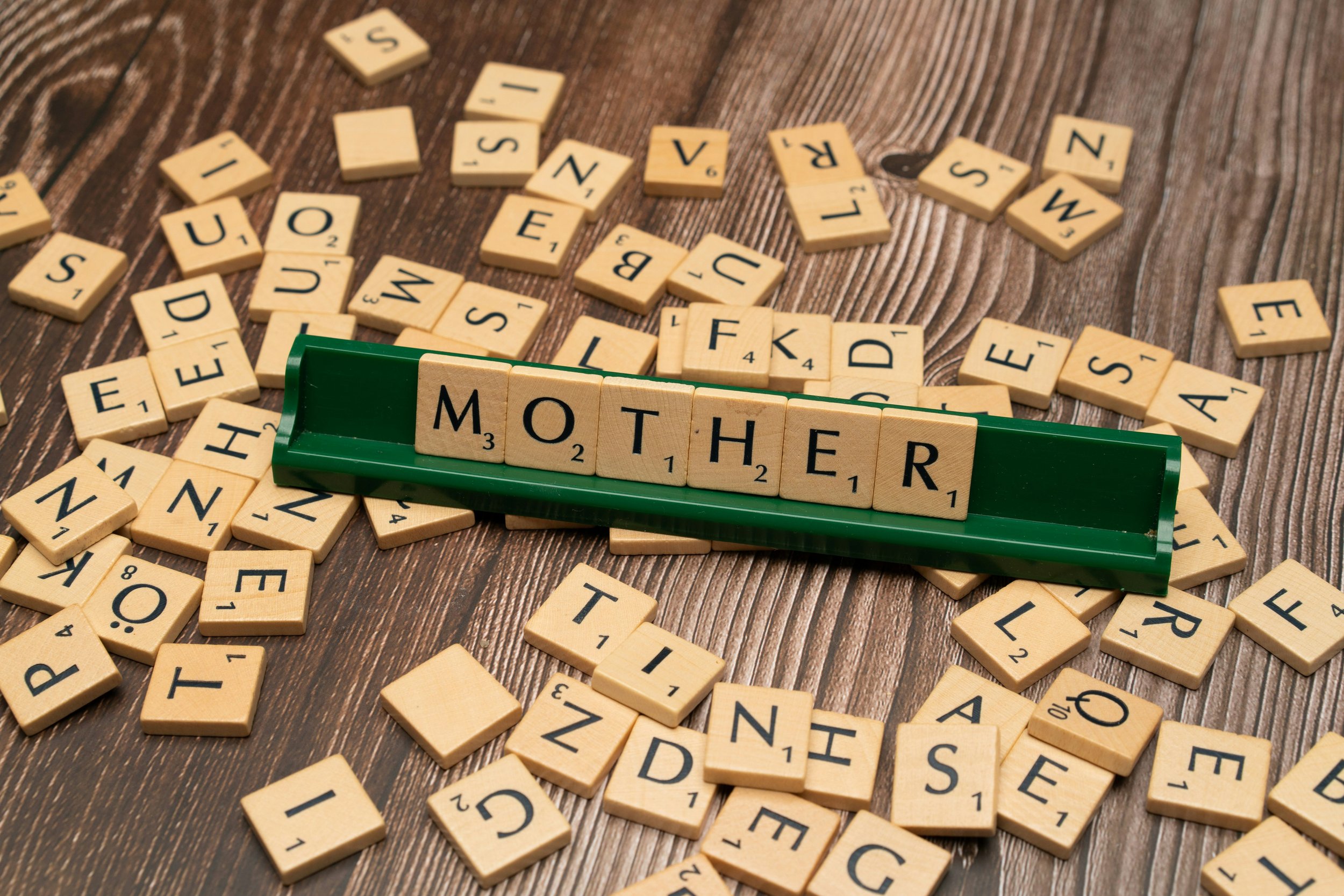
Scattered Emotions: Motherhood can feel like a jumbled mix of feelings, expectations, and responsibilties.
When Life Feels Overwhelming—Support for Perinatal Mental Health Can Help Mothers Find the Care They Deserve
Why Matter Mental Health Matters in Texas
At Save Texas Moms, we believe maternal health includes mental health. For pregnant and postpartum mothers living in maternity care deserts, where providers may be miles away and broadband access is limited, support can feel even more out of reach.
In our first collaboration with Postpartum Support International, we sat down with Samantha Reaves, MA, PMH-C, to discuss perinatal mental health disorders, peer support, and the importance of connection, especially in rural and underserved communities.
What Is Perinatal Mental Health—and Why Does It Matter?
STM: For readers who may be new to the topic, how does Postpartum Support International (PSI) define perinatal mental health, and what role does PSI play in supporting mothers and families during pregnancy and postpartum?
Samantha: The term perinatal describes the time period from pregnancy through one year postpartum. PSI extends this definition to two years postpartum. Perinatal mental health disorders (PMHDs) are the number one complication of childbearing. PMHDs include depression, anxiety, obsessive-compulsive disorder, perinatal and postpartum psychosis, bipolar disorders, and post-traumatic stress disorder.
Symptoms of these disorders can affect not only the pregnant or postpartum person, but also dads, partners, and other family members. PMHDs can also affect pregnant and postpartum people who have experienced a perinatal loss.
“Perinatal mental health disorders are the number one complication of childbearing.”
STM: PSI has certainly raised awareness that perinatal mental health disorders are common and treatable. It’s important that moms know that symptoms may include persistent sadness, anxiety, intrusive thoughts, changes in sleep or appetite beyond typical postpartum adjustment, difficulty bonding with a baby, or feeling unlike themselves. That’s why support is so important.
Samantha: PSI provides direct peer support to families, trains professionals, and serves as a bridge to connect them. By increasing awareness and improving the prevention and treatment of PMHDs, PSI works toward every mother and family having access to information, social support, and specialized care to be well during pregnancy and postpartum.
PSI is connecting the dots in the field of perinatal mental health. We want every new parent who is struggling to know: You are not alone. You are not to blame. With help, you will be well.

No mother is to blame: Resilience for moms begins with support, understanding, and access to care.
It’s True: Perinatal Mental Health Disorders Are the Number One Complication of Childbearing
Perinatal mental health disorders (PMHDs) include:
Depression
Anxiety
Obsessive-compulsive disorder
Bipolar disorders
Post-traumatic stress disorder
Postpartum psychosis
They are common. They are treatable. And no mother is to blame.

Shared experiences: Support networks can play a critical role in protecting maternal mental health.
Why Peer Support Is So Powerful in Rural and Low-Access Communities
STM: Many of the mothers Save Texas Moms serve live in rural or low-access communities.
From your perspective, what makes peer support so powerful for mothers and caregivers who may not have nearby providers or mental health services?
Samantha: There are many barriers to specialized care, and a lack of providers trained in perinatal mental health in your area is one of them. PSI’s resources are free, readily available, and can help fill gaps in care. For example, if you’re on a waiting list for a therapist, you can attend a free, online peer support group while you wait. Though not a substitute for licensed healthcare, peer support groups offer connection, validation, and support, and are facilitated by trained volunteers with lived experience with a PMHD.
What does peer support look like? In a non-clinical setting, people with shared experiences offer and receive encouragement from one another. Peers connect with others who understand their struggles, offer each other emotional support, work toward healing, and build community with one another. Peer support is only a piece of the puzzle that is someone’s recovery, but it conveys the important message that they are not alone.
“Peer support groups offer connection, validation, and support.”
Peer support is crucial in the perinatal period. I facilitate one of PSI’s online groups, and I see it all the time–the healing that comes from hearing someone else say that they understand; that they’ve been there, too; that this is hard. I witness the power of people realizing that they are not alone in real time–I see it in the nods on camera, I hear it in the person who shares, “I relate so much to what you said.” I read it in the group chat.
Some feedback from PSI support group participants:
• “It was a relief to not feel so alone.”
• “I thoroughly appreciate this space for Black moms. I felt safe, heard & supported.”
• "Attending this group was the first time I had felt seen and heard.

Free, Virtual Support Is Available
Postpartum Support International (PSI) offers many nationwide programs, including:
• Peer support groups
• Call/text HelpLine
• Searchable provider directory
Support is available whether you live in a major city—or a rural county.
When “I Just Don’t Feel Like Myself” is a Signal to Seek Support
STM: In addition to your professional role at PSI, you also serve as a support coordinator and peer support group facilitator. How does working directly with mothers and families shape the way you think about maternal mental health support?
Samantha: When I was postpartum with my son, I struggled with my mental health for months before I found PSI. I remember attending my first peer support group, when the facilitator reviewed the opening slides on perinatal mental health. Before we even got to the good stuff (“talk time”), I had already learned so much. I learned about risk factors, exacerbating factors, and symptoms of PHMDs. Suddenly, my experience made a lot more sense. Having a baby during the pandemic, a time of social isolation and fear, had certainly played a role in my own lack of postpartum support.
Now I am on the other side of the screen. I have the privilege of creating and holding space for new moms to share or simply listen, with other moms in a similar season. I get to be the person who can confidently say, “It gets better.” With support and appropriate treatment, recovery from PMHDs is possible.
“I struggled with my mental health for months before I found PSI.”
No mother should suffer alone. Our mission is to ensure that all parents have access to the information and support they need to get better. Hearing directly from mothers and families and the issues they are facing guides our work and is also a constant reminder of how much work there is left to do.
Understanding the Differences: Postpartum Depression, Anxiety, OCD, & More
STM: Terms like postpartum depression, postpartum anxiety, and postpartum OCD are often used interchangeably, which can be confusing or overwhelming. How do you help mothers and families understand the differences and recognize when it may be time to seek support?
Samantha: It’s never too early or too late to reach out for support. I would encourage any expecting or postpartum mom to consider their social support when planning for their baby’s arrival. This can look like support groups, practical support from friends and family, postpartum doula care, a local moms’ group, and more.
Rarely will a new parent say, “I think I’m experiencing postpartum depression.” More often, parents will say things like, “I just don’t feel like myself.” If a new parent is struggling with their mental health, experiencing symptoms of a PMHD, or is simply not acting like themselves, it’s time to get help. You don’t need a diagnosis of any kind to access PSI’s resources and peer support. In addition to peer support, treatment options for PMHDs include therapy and medication, and PSI’s directory allows you to search for a provider with specialized training in your area.
“It’s never too early too early or too late to reach out for support.”
STM: We know PSI also works to increase provider education in perinatal mental health so that more mothers receive appropriate diagnosis, treatment, and support.
Samantha: Understanding the differences between PMHDs can be difficult, especially since a person may be experiencing multiple disorders concurrently. Even providers can miss symptoms and misdiagnose disorders. That’s why education, for parents and professionals, is so important.
STM: You’ve spoken about the importance of connection and community in maternal mental health. Why does feeling connected—whether through peers, partners, or trusted supporters—matter so much during pregnancy and postpartum?
Samantha: Every new parent needs and deserves support during the transformative time of bringing a baby into the world. With pregnancy and postpartum comes a lack of sleep, hormonal shifts, changes to personal identity, new pressures and responsibilities, an increased mental load, and more—it’s a new world with new challenges.
Support may look different depending on the person and who they turn to for support—partners, family members, friends, support groups, and faith and cultural communities. Talking is therapeutic.
Often, parents discover a sense of universality to their experience, driving home the concept that they are not facing this alone. Having a place to check in, seek advice, and listen to others builds community and understanding.
“Every new parent needs and deserves support during the transformative time of bringing a baby into the world.”
Speaking specifically about peer support groups, there can be a certain comfort in talking to people outside of your social circle. There are some things you can say to strangers that you may not feel comfortable sharing with friends and family. Some examples include experiencing intrusive thoughts, marital problems, feelings of guilt, or a lack of bonding with your baby.
Having a place to share and receive nonjudgmental support is critical. Moms, in particular, are judged so harshly. Creating a space where you can truly show up as you are allows for safety, connection, and healing.
Postpartum Psychosis Is a Medical Emergency
Postpartum psychosis is a serious PMHD that occurs in approximately 1 to 2 out of every 1,000 deliveries. Postpartum psychosis is temporary and treatable with professional help, but it is a medical emergency, and it is essential that the individual receive immediate help. If you feel you or someone you know may be suffering from this illness, know that no one is at fault or to blame, and a diagnosis is not needed to reach out for help. Learn more about the symptoms, risk factors, and how to discuss postpartum psychosis here.
If you suspect postpartum psychosis:
• Call or text 988
• Call 1-833-TLC-MAMA (National Maternal Mental Health Hotline)
• Text HOME to 741741
Immediate help is available 24/7.
How Partners, Fathers, and Grandparents Can Help
STM: Maternal mental health doesn’t exist in isolation. How can partners, fathers, friends, and extended family members play a meaningful role in supporting a mother’s mental health, especially in rural or underserved areas?
Samantha: If you can provide practical support to a new parent, such as housework, cooking, providing meals, or scheduling appointments, reducing a new mother’s mental load can be very helpful. Being informed about local resources, such as doula care, lactation support, and support groups or mom groups, can also be helpful. Sharing online resources, like PSI, can connect them with support even if they do not have access to local support.
Another way to support a mother’s mental health is empathetic listening. This can look like sitting with someone in their feelings, rather than trying to solve their problems. Simply showing up is another way to support a new mom.
Ask questions:
• What is one thing you would like to do for yourself this week?
• I have some time available on Thursday. Can I come over and help?
• How are you feeling?
• What is one thing I can take off your plate?
Share affirmations:
• You are doing a great job.
• I’m so proud of you.
• You don’t have to do this alone. I’m here with you.
• We can figure this out together.
• This sounds so hard. I’m here to listen.
If you’re unsure of where to begin and you are concerned about a friend or family member, you can contact PSI’s HelpLine and connect with a trained volunteer.
Living in a Maternity Care Desert?
Access to maternal care remains a major challenge across Texas. Nearly half of Texas counties are classified as maternity care deserts, meaning they lack hospitals, birth centers, or sufficient obstetric providers.
For mothers living in rural communities, this can mean traveling long distances for prenatal care or postpartum support. Expanding awareness of maternal mental health resources—and connecting mothers to trusted support organizations like Postpartum Support International—is an important step toward improving maternal outcomes statewide.
If you are pregnant or postpartum and live far from care, Save Texas Moms can also connect you to:
• Local maternal health resources
• Diaper and food bank options
• Education tools
• Community-based support hubs
Mental health support should not depend on your ZIP code.
If You’re Hesitant to Reach Out, Read This
STM: For a mother who may be struggling but feels unsure, hesitant, or even afraid to reach out, what would you want her to know about seeking support through organizations like PSI?
Samantha: PSI is here for you. We are here to listen, to support you as you heal, and to connect you with the resources and care you need to be well. You do not have to do this alone. You are not alone. You are not to blame. With help, you will be well.
STM: We are grateful to Samantha for sharing her expertise and lived experience with our Texas community. Partnerships like this help ensure that pregnant and postpartum mothers, no matter where they live, have access to education, connection, and hope.
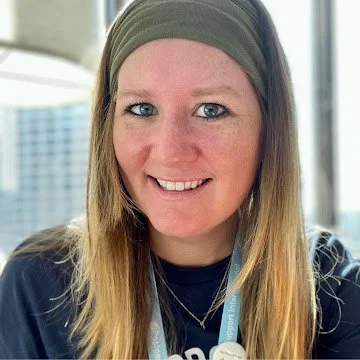
Samantha Reaves, MA, PMH-C
Samantha is Postpartum Support International’s Senior Communications Manager. Following her own experience with postpartum depression, anxiety, and OCD, she became involved in perinatal mental health advocacy and peer support. In addition to her staff role, she volunteers with PSI as a local support coordinator and peer support group facilitator.