
KINSHIP
SUPPORT
LOVE
FAMILY
Grandparents Raising Grandchildren in Texas
If you are a grandparent raising your grandchild, you are not alone. Across Texas, many grandparents are stepping in as primary caregivers—often unexpectedly—while navigating healthcare, financial support, and daily needs.
Taking on this role can be both meaningful and overwhelming. You may be figuring out how to enroll your grandchild in programs like Medicaid or WIC, find nearby healthcare providers, or access basic essentials like diapers and food, sometimes with limited support or in areas with few local services.
Save Texas Moms is here to help you navigate these systems and find the resources you need. Whether you are caring for a newborn or an older child, we are working to connect families like yours to healthcare services, community support, and practical tools across Texas.

Grandparents raising grandchildren carry tremendous responsibility—we’re here to help you access the support you need.
Start Here
What Kind of Caregiver Are You?
Support may look different depending on your situation.
-
You may still be able to apply for WIC, Medicaid, CHIP, SNAP, TANF, childcare help, food support, diapers, and local caregiver programs.
-
You may have access to additional kinship caregiver supports, reimbursement programs, case management, training, and help through a kinship worker.
-
You may still qualify as a kinship caregiver or “fictive kin” depending on the child’s situation.
DFPS Kinship Manual
If the child is involved with CPS or DFPS, the DFPS Kinship Manual can help explain the process, available supports, caregiver expectations, and who to contact.
Across Texas, grandparents and other relatives are stepping in to raise children when parents are unable to do so. According to GrandFacts: State Fact Sheets for Grandparents and Other Relatives Raising Children (Texas, 2021 update):
266,337 grandparents in Texas are responsible for their grandchildren
286,000 children are being raised by relatives with no parent present
For every 1 child in kinship foster care, 24 are being raised outside the foster care system
Many of these families are navigating healthcare, benefits, and daily caregiving without formal support.
Source: GrandFacts State Fact Sheet – Texas (2021), Generations United
Grandfamilies in Texas
Grandma Time!
·
Generational Support
·
A Family Affair
·
Grandma Time! · Generational Support · A Family Affair ·
You Are the Caregiver
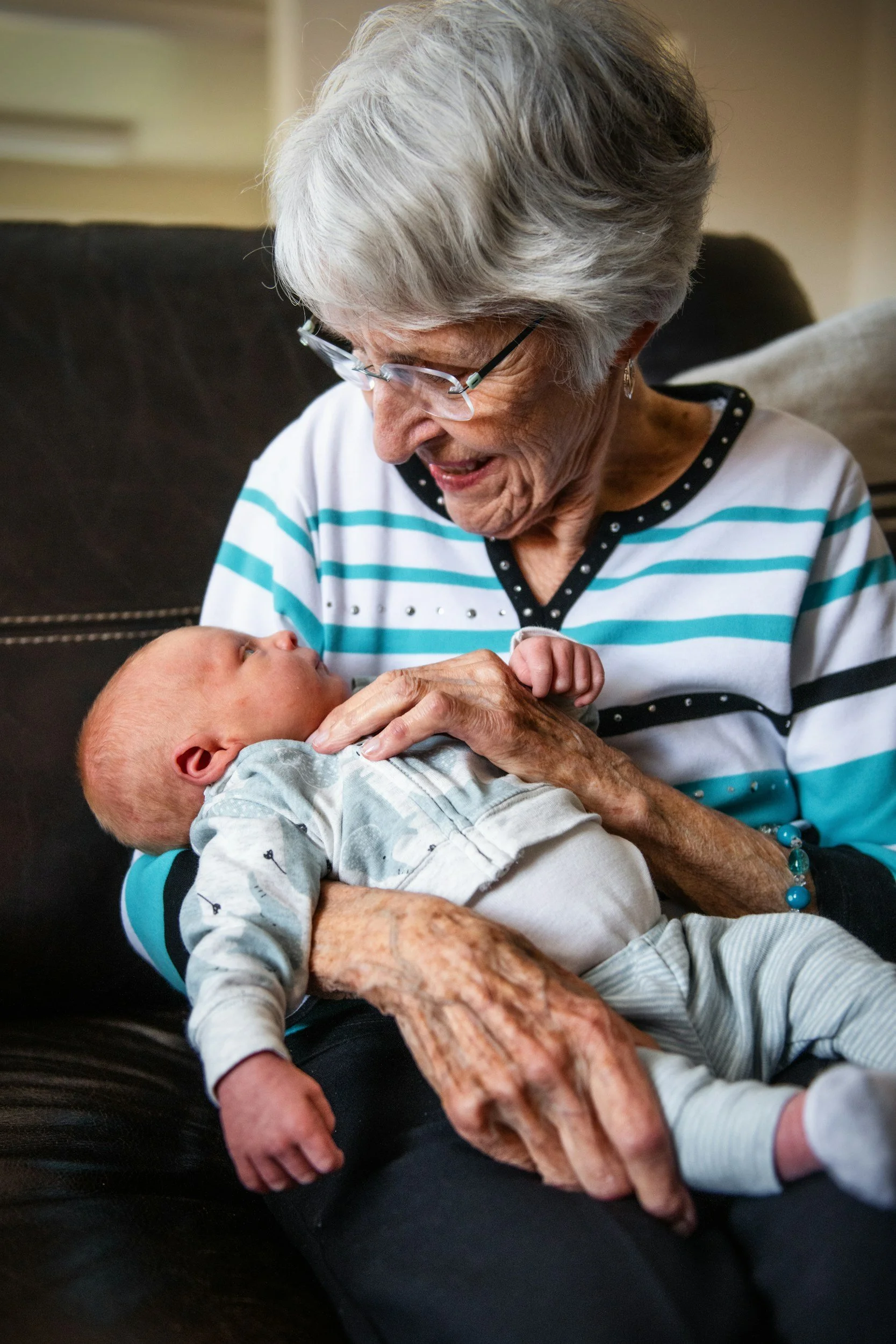
Whether you have full custody, are caring for your grandchild temporarily, or helping with day-to-day care, you are the one making daily decisions about their health, safety, and well-being. You may not have expected to take on this role, and the systems can be confusing, especially if you do not have formal legal custody.
The good news is that there are programs in Texas designed to support children being raised by grandparents and other relatives.
WIC (Women, Infants, and Children)
If your grandchild is under age 5, they may qualify for WIC. This program provides:
Healthy food and formula
Nutrition support
Breastfeeding support and lactation services
WIC can support both you and your grandchild, even if you are the primary caregiver.
Finding Healthcare Providers
Access to pediatric and maternal healthcare services can vary widely. In some communities, especially rural areas, families may need to travel longer distances to reach care.
Save Texas Moms provides tools to help you:
Identify nearby clinics and providers
Understand what services are available in your area
Navigate care in maternity care deserts and low-access regions
Reach out to us. We’re here to help!

Grandparents’ Rights in Texas
Understanding visitation and access
In Texas, grandparents do not automatically have the right to visit their grandchildren. However, in certain situations, a court may allow a grandparent to request visitation.
Under Texas law, a grandparent can ask the court for “possession or access” to a grandchild, but this is not guaranteed.
To be considered, a grandparent must show that denying access would significantly harm the child’s physical health or emotional well-being. This is a high legal standard, and courts generally give strong weight to a parent’s decision.
Courts may be more likely to consider a request if:
A parent is deceased, incarcerated, or not able to care for the child
The child has lived with the grandparent
There are concerns about the child’s safety or well-being
Because these situations can be complex, speaking with a legal aid organization or family law attorney can help you understand your options.
Start here for help:
Texas Legal Services Center: https://www.tlsc.org
AARP Grandparenting Resources: https://www.aarp.org/caregiving/grandparents/

Keep Your Heart Healthy for Your Grandchildren
Heart valve disease is a serious condition that can mimic common signs of aging. It usually strikes people over 65. A standard echocardiogram is painless and can reveal whether you have heart valve disease.
Talk with your health care professional to learn more.heart.org/heartvalves

If You Are Caring for a Child After CPS Involvement
If a Child Protective Services (CPS) case has recently ended, you may still be responsible for your grandchild’s care, but without the same level of support or guidance.
Many grandparents and kinship caregivers find this transition confusing. You may still need help accessing healthcare, enrolling in school, or understanding what support is available.
In Texas, there are resources specifically designed for families in this situation.
You may be eligible for:
Medicaid coverage and ongoing healthcare services
Kinship Navigator programs that provide case management and support
Legal assistance through Texas Legal Services
Education support, including school enrollment and liaison services
Early childhood services for young children with developmental needs
Some caregivers may also qualify for:
Temporary financial assistance or reimbursement programs
Daycare support (based on eligibility and availability)
Additional services if the child remains in state conservatorship
For a more detailed overview of available programs and contacts, you can review this guide developed by the Texas Department of Family and Protective Services.
Daily Care Support
Guidance from STM and Our Trusted Community Partners
Diapers and Basic Needs
Diapers, wipes, and other essentials can add up quickly. Many families rely on a combination of local organizations and statewide programs for support.
Save Texas Moms is working to make it easier for families like yours to find and access care throughout Texas.
Through our website, you can:
Find diaper banks and community resources near you
Connect with local organizations that distribute baby supplies
Identify additional support through food banks and family services
Safe Sleep and Daily Routines
Creating a safe and consistent routine helps your grandchild grow and develop.
Place babies on their backs to sleep
Use a firm, flat sleep surface with no loose blankets or pillows, only a fitted sheet
Keep the baby’s head and face uncovered
If you are unsure about sleep safety or routines, your pediatric provider or local clinic can help guide you.
Feeding Your Grandchild
Whether you are supporting breastfeeding, using formula, or both, feeding your grandchild is one of the most important parts of daily care.
Babies often eat every 2–3 hours
Waking during the night is normal
Hunger cues can include sucking on hands, rooting, or fussiness
If you are supporting a breastfeeding mother, your role matters. Encouragement, help with household tasks, and allowing time for feeding can make a big difference.
You Matter, Too!
Caring for your grandchild can be rewarding, but it can also be overwhelming. It is okay to need support.
If you are feeling stressed or just need someone to talk to, call or text the Maternal Mental Health Hotline: 1-833-TLC-MAMA (1-833-852-6262).
Available 24/7
Free and confidential
Support in English and Spanish
You Need to Stay Heart Healthy!
When grandparents stay healthy, they can continue to provide support, childcare, transportation, and encouragement to growing families.
Resources:
The AHA notes that caregivers often need support themselves and that understanding family health history can help families reduce cardiovascular risks across generations.

How Save Texas Moms Can Help You & Your Family
We are working to make it easier for families like yours to find and access care across the entire state of Texas. Through our website, you can:
Search for local diaper and baby supply resources
Explore healthcare access in your area
Find support services for families and caregivers
Diapers & Supplies
Resources for Mothers
Get Help Now
If you need support, there are free, statewide services that can help you right now.
Call the 2-1-1 hotline (a Texas Information and Referral Network)
Free, confidential support available 24 hours a day, 7 days a week
Speak with a real person who can connect you to local resources
Get help with diapers, food, housing, healthcare, and more
Available in English and Spanish
Or search online: https://www.211texas.org
Apply for Financial and Healthcare Support
If you are caring for your grandchild, they may qualify for benefits like Medicaid, CHIP, WIC, or SNAP.
You can:
Apply through Your Texas Benefits
Check eligibility
Find step-by-step guidance
Transportation and Getting to Appointments
In many parts of Texas, getting to healthcare appointments can be a challenge.
You may be able to access:
Medicaid transportation services (if enrolled)
Local nonprofit or community-based transportation support
Local transit through Findhelp.org.
Planning ahead for appointments and asking about transportation support can make a big difference.
If you are a grandparent or relative caring for a child, you may qualify for state benefits designed to support families in your situation, even if you do not have formal custody.
Financial Support (TANF)
Monthly cash assistance may be available to help with:
Food
Housing
Utilities
Transportation
Clothing
Childcare
Daycare
You may qualify for:
Child-only benefits (without counting your income), or
Support for both you and the child
A one-time $1,000 payment may also be available for eligible relatives age 25+
Important: You do not need legal guardianship, just proof that the child is living with you.
Women, Infants, and Children (WIC)
Provides nutrition support, formula, breastfeeding support, and health referrals for pregnant and postpartum mothers and young children. Apply or find a clinic here.
Government Support for Grandparents
Food Assistance (SNAP)
SNAP, which stands for Supplemental Nutrition Assistance Program, can help with:
Monthly benefits to help buy groceries
Amount depends on household size and income
Health Coverage (Medicaid & CHIP)
Children in your care—and sometimes you—may qualify for:
Doctor visits
Prescriptions
Dental care
Mental health services
Vision care
CHIP, which stands for Children’s Health Insurance Program, is available if the child doesn’t qualify for Medicaid.
How to Apply
Online: YourTexasBenefits.com
In person: Visit a local benefits office
Contact Your Local Area Agency on Aging (AAA)
Area Agencies on Aging (AAAs) are local organizations across Texas that support older adults and caregivers—including grandparents raising grandchildren.
If you are age 55 or older and are the primary caregiver for a grandchild or other relative age 18 or younger, you may qualify for older-relative caregiver support services through your local AAA.
Depending on your location, an AAA may offer:
Respite care (temporary help caring for your child)
Caregiver support services and case management
Limited financial assistance, such as respite vouchers
Help navigating local programs and benefits
Because each AAA operates independently and serves a specific region, services, funding, eligibility requirements, and waitlists can vary.
How to Get Started
You can find and contact your local AAA here.
When you call, you can say:
“I am a grandparent raising my grandchild and need support.”
“Do you offer respite care or caregiver support programs?”
“Are there any vouchers or financial assistance programs available?”
“Is there a waitlist or eligibility requirement?”
If They Can’t Help Right Away
It’s common for programs to have limited funding or waitlists. If that happens:
Ask if they can place you on a waitlist
Request referrals to local organizations or faith-based programs
Check back periodically, as funding and availability can change
You are not alone in this—many grandparents across Texas are navigating the same challenges.
Why Save Texas Moms Advocates for You
Across Texas, grandparents and other relatives are stepping in to raise children, often without clear pathways to healthcare services, support programs, or local resources. While these families are critical to keeping children safe and stable, they are frequently navigating systems that were not built with them in mind.
Save Texas Moms is working to change that.
We focus on improving access to maternal and pediatric healthcare services across Texas, especially in communities where providers are limited, systems are fragmented, and families are left to figure things out on their own.
Grandparents raising grandchildren are an important part of this work. Your experience helps highlight where systems are falling short—and where change is needed.
We are committed to building a more connected, accessible system so families like yours can find care, support, and answers more easily.

Our Work Includes:
Mapping access to healthcare services across Texas to identify gaps and barriers
Connecting families to local resources, including diapers, food, and healthcare support
Partnering with community organizations, clinics, and statewide networks to strengthen support systems
Advocating for policies that improve access to care for families, including those in rural and low-access areas